
تلعب معدات العناية بالملابس المدمجة دورًا أكبر في المنازل والفنادق ومتاجر الملابس وغيرها من الأماكن التي لا تكون فيها معدات الكي بالحجم الكامل عملية دائمًا. أ ماكينة الكي المحمولة يجب أن تظل سهلة التعامل دون فقدان الوظائف الأساسية المتوقعة من مكواة البخار. ويؤثر هذا التوازن على كيفية تعامل الشركات المصنعة مع التدفئة، وتوليد البخار، وبناء القاعدة، وتصميم المساكن.
وبالتالي فإن قابلية النقل ليست مجرد مسألة جعل المكواة أصغر حجمًا. يجب ترتيب المكونات الداخلية والهيكل الخارجي حول الطريقة التي سيتم بها التعامل مع الماكينة النهائية.
يمكن أن يكون لآلة الكي المدمجة مساحة صغيرة ولكنها لا تزال تشعر بعدم الراحة إذا تم توزيع وزنها بشكل سيئ. يساهم كل من عنصر التسخين وقاعدة المكواة والمكونات المتعلقة بالمياه والمقبض في تحقيق التوازن النهائي.
يعتبر وضع المقبض ذا أهمية خاصة لأن الكي يتضمن حركات متكررة للأمام والخلف. يمكن للمقبض المريح أن يوفر تحكمًا أفضل مع تقليل الضغط غير الضروري أثناء الانتهاء الروتيني من الملابس.
بالنسبة للمصنعين، يؤدي هذا إلى إنشاء مقايضة تصميمية بين الأبعاد المدمجة والتعامل العملي. قد يتطلب تقليل حجم أحد المكونات تعديلات في مكان آخر للحفاظ على بنية متوازنة.
يعد البخار إحدى الميزات الرئيسية التي تفصل بين المكاوي البخارية الحديثة والمكاوي الجافة الأساسية. ومع ذلك، فإن إضافة المكونات المتعلقة بالبخار يجعل الهيكل الداخلي أكثر تعقيدًا.
قد تحتاج آلة الكي المحمولة إلى استيعاب قنوات المياه ومكونات توليد البخار والصمامات وآليات التحكم داخل مبيت صغير نسبيًا. يمكن أن يمنح ضبط البخار المستخدمين المزيد من المرونة عند العمل مع أنواع مختلفة من الأقمشة، بينما يحتاج التصميم الداخلي إلى دعم الحركة المتسقة للماء والبخار.
وهذا يجعل تكامل المكونات جزءًا مهمًا من تصنيع آلات الكي المحمولة. قد يبدو المظهر الخارجي بسيطًا، لكن المساحة الداخلية يجب استغلالها بكفاءة.
القاعدة هي سطح العمل الرئيسي لآلة الكي. إنه ينقل الحرارة إلى الملابس ويتحرك مباشرة عبر القماش، وبالتالي فإن مادته وشكله وحجمه وسطحه النهائي كلها تؤثر على المنتج النهائي.
يتم استخدام الفولاذ المقاوم للصدأ في العديد من ألواح ماكينات الكي لأنه يوفر سطح عمل متين ويمكن أن يدعم التوزيع الفعال للحرارة. تؤثر أبعاد اللوحة أيضًا على قابلية النقل. يمكن أن تساعد القاعدة الأصغر حجمًا في الحفاظ على ضغط الماكينة، بينما قد يغطي السطح الأكبر مساحة أكبر من القماش مع كل حركة.
ولذلك يحتاج المصنعون إلى تحديد أبعاد القاعدة وفقًا للتطبيق المقصود بدلاً من التعامل مع تقليل الحجم باعتباره هدف التصميم الوحيد.
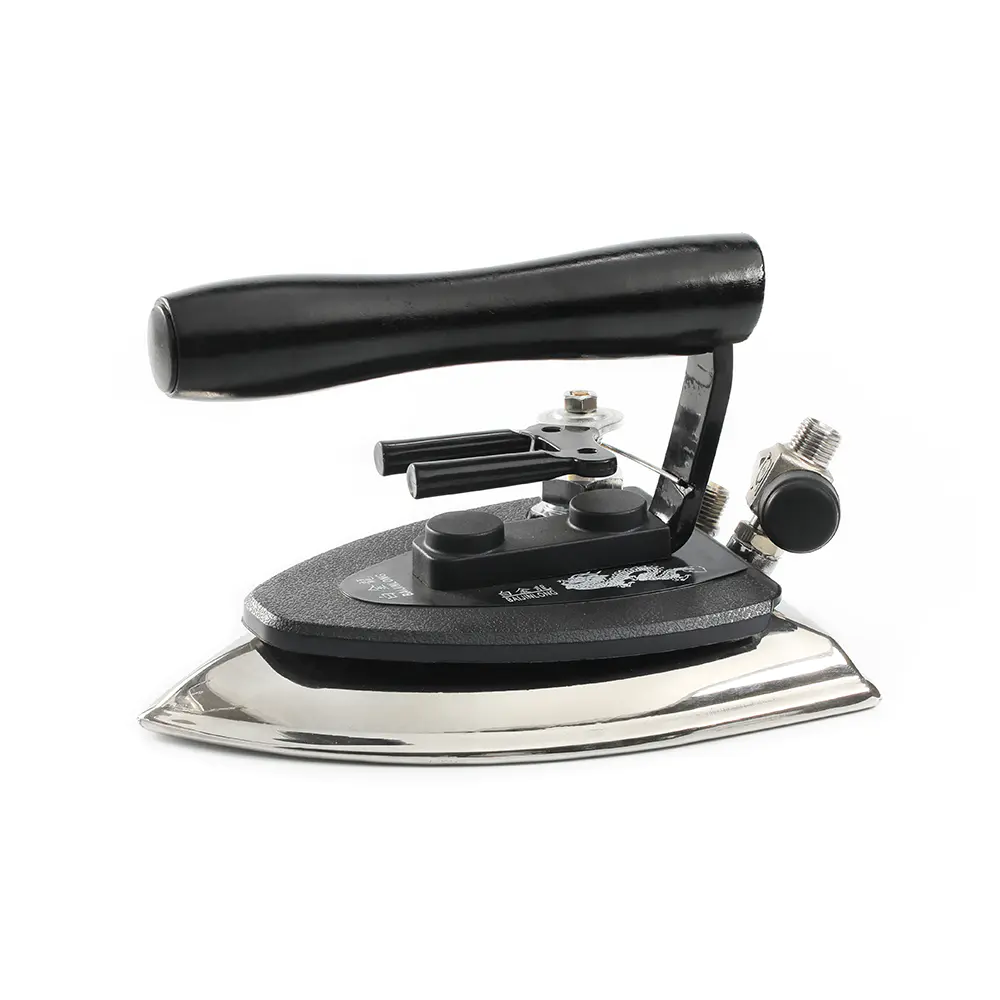
يُدخل الكي بالبخار أيضًا إدارة المياه في هيكل المنتج. يحتاج الماء إلى التحرك عبر النظام الداخلي بينما يجب التحكم في التسرب غير المرغوب فيه أثناء التشغيل.
يمكن أن تساعد ميزات مثل آليات مكافحة التنقيط في تقليل تسرب الماء عبر قاعدة المكواة، بينما يمكن أن تساعد وظائف التنظيف الذاتي في الحفاظ على ممرات البخار الداخلية. تصبح هذه الوظائف ذات أهمية خاصة عندما يتم تصميم الماكينة للاستخدام المنتظم بدلاً من السفر العرضي.
بالنسبة للمعدات المدمجة، يتمثل التحدي في تركيب هذه الآليات في مبيت أصغر دون صعوبة تشغيل المنتج أو صيانته.
تتطلب الأقمشة المختلفة مجموعات مختلفة من الحرارة والرطوبة. يمكن أن يستجيب القطن والصوف والمواد الاصطناعية والمنسوجات الرقيقة بشكل مختلف لظروف الكي.
وبالتالي، يمكن لآلة الكي المحمولة ذات إعدادات درجة الحرارة والبخار القابلة للتعديل أن تدعم نطاقًا أوسع من مهام العناية بالملابس. تعمل أدوات التحكم في درجة الحرارة على تنظيم الحرارة المطبقة من خلال قاعدة المكواة، بينما توفر إعدادات البخار طريقة أخرى لضبط عملية الكي.
تكون هذه الوظائف مفيدة للغاية عندما يتم دمجها في نظام تحكم بسيط. من المتوقع في كثير من الأحيان أن تكون المعدات المحمولة سهلة التشغيل، لذا يمكن أن تعمل أدوات التحكم المعقدة ضد غرض التصميم المدمج.
على الرغم من أن المكاوي المحمولة ترتبط عادةً بالسفر، إلا أن تطبيقاتها تمتد إلى العديد من البيئات التجارية. قد تحتاج الفنادق إلى معدات مدمجة للعناية بالملابس لخدمات الضيوف، في حين يمكن لتجار الملابس بالتجزئة استخدام آلات كي أصغر حجمًا للتحضير النهائي للملابس. قد تستخدم عمليات الخياطة والغسيل أيضًا معدات محمولة إلى جانب آلات الضغط الأكبر حجمًا.
يمنح هذا النطاق الأوسع من التطبيقات الشركات المصنعة مجالًا لتطوير مجموعات مختلفة من الحجم وسعة البخار وأبعاد القاعدة والتحكم في درجة الحرارة وتصميم السكن.
تطوير ماكينة الكي المحمولة وبالتالي يتحرك نحو توازن أكثر اكتمالا بين قابلية النقل والوظيفة. الأبعاد المدمجة مهمة، ولكن أيضًا توزيع الوزن وإدارة البخار وأداء التسخين وسهولة التعامل معه مهم أيضًا. بالنسبة لمطوري المنتجات، أصبح الجمع بين هذه العناصر معًا جزءًا أساسيًا من تصميم آلات الكي الحديثة
 +86-578-3158872 / +86-578-3158958
 jyshengda@163.com / caroying@jy-shengda.com
 رقم 8 طريق ناني، حديقة هوزين الصناعية، تشجيانغ، الصين
حقوق الطبع والنشر © Jinyun Shengda Sewing Equipment Co., Ltd. جميع الحقوق محفوظة.
مصنع معدات مكبس الكي
 English
 中文简体
中文简体 русский
 عربى
عربى